





Why What You Wear in the Gym Actually Matters More Than You Think
Here’s something most people never realize:
Your gym clothes play a direct role in how well you move, how effectively your body cools down, and how confident you feel while training. The wrong outfit can ruin a workout — from chafing and overheating to restricted movement or even embarrassment when fabrics cling in all the wrong places.
Think of gym clothing as equipment. Just like you wouldn’t lift weights with slippery hands, you shouldn’t train in clothes that trap sweat, restrict movement, or compromise hygiene. Every choice you make around gym wear — from fabrics to footwear — affects performance, safety, and comfort.
So let’s break it down clearly, practically, and honestly.
What You Should Never Wear to the Gym — And What to Wear Instead
Why gym clothes matter
Your clothes don’t just affect how you look at the gym — they can influence how you feel, move, and even how hard your body works. The right gear helps with sweat management, comfort, range of motion, and safety. The wrong gear? It can leave you drenched, chafed, distracted, or even injured. Let’s make sure you avoid that.
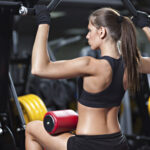
“Khloe gives as much to the gym as the gym gives to her”
Five Common Gym-Wear Mistakes (and what to do instead)
1. 100% cotton T-shirts or pants
Why it’s a problem: Cotton absorbs sweat but doesn’t wick it away. Once wet, it stays wet — heavy, clingy, and uncomfortable. That slows down your body’s natural cooling process, leading to overheating, sluggish workouts, or even rashes. ISSA+2Elite Clubs+2
Better option: Go for moisture-wicking, breathable fabrics — think polyester, nylon, or blends with spandex. They pull sweat away from your skin so it can evaporate, helping you stay cooler and drier. Australian Co+2M
2. Extremely tight or overly baggy clothes
Why it’s a problem: Clothes that are too tight restrict movement, hamper flexibility, and may irritate skin. On the flip side, overly loose or baggy clothes can get in the way — especially with gym equipment or during dynamic moves like squats, burpees, or yoga transitions.
Better option: Choose clothes with a balanced fit — snug enough to move with you, but loose enough to let you stretch. Think fitted shorts or leggings with a slightly loose top (or vice versa), depending on your workout.
Don’t Wear 100% Cotton (Here’s Why It’s Actually the Worst Choice)
Cotton is fantastic for everyday life. But the gym?
Not so much.
Why cotton is a problem:
It absorbs sweat instead of releasing it
It stays wet, which creates heaviness, stickiness, and skin irritation
The moisture sits against your body, causing friction
You get cold faster after workouts because the wet fabric keeps cooling your skin
When cotton becomes drenched, it clings to your body, revealing sweat patches that make many people feel self-conscious. And even worse, it traps heat, raising your body temperature and making you fatigue faster.
Better alternatives:
Choose fabrics that are made for performance and sweat management:
Nylon
Polyester
Spandex/elastane blends
Moisture-wicking synthetics
These fabrics move sweat away from your skin so it can evaporate — keeping you cooler, drier, and more comfortable.
Who should avoid cotton the most:
People who sweat heavily
Anyone doing cardio (running, HIIT, cycling)
Those with sensitive skin, eczema, or prone to rashes
This single switch alone upgrades your workout comfort dramatically.
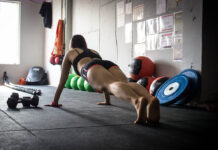
“Yeah, it’s a revenge body”
3. Jewelry — rings, bracelets, necklaces, dangling earrings
Why it’s a problem: Metal accessories pose safety and hygiene issues. They can scratch or damage gym equipment, catch on something during movement, or even cause injury (like finger/ring-snagging). Plus, sweat + metal = increased risk of irritation or skin reactions.
Better option: Keep jewelry off when training. If something feels too “bare,” consider non-metal alternatives (like silicone wristbands) or simply go clean.
4. Street shoes or inappropriate footwear
Why it’s a problem: Shoes built for casual wear often lack the support, grip, and flexibility needed for gym workouts. Using them during weightlifting, cardio, or dynamic training can increase the risk of slips, poor form, or foot/knee strain.
Better option: Use athletic-grade sneakers or training shoes designed for gym workouts. These provide proper traction, cushioning, and support. For weightlifting, some prefer flat-soled shoes for stability.
If you want to lose weight, you need to increase your daily caloric intake by 500 calories, but you can do this by cutting 200 calories out of your daily diet and burning 300 calories more through exercise.
Add that up over a week and you’ll have nearly a pound of fat loss with very little pain or diet deprivation
It’s the little things you do every day that can make the difference between keeping fit and packing on additional pounds every year. Don’t underestimate the power of tiny changes: consistent lifestyle changes are always more successful for losing and maintaining weight loss.
Be creative! Instead of thinking of all the ways you don’t have time to exercise, make it a game to see how many ways you can carve out time for little bouts of exercise. Lose your all-or-nothing mindset and look at exercise as a daily accumulation of activity.
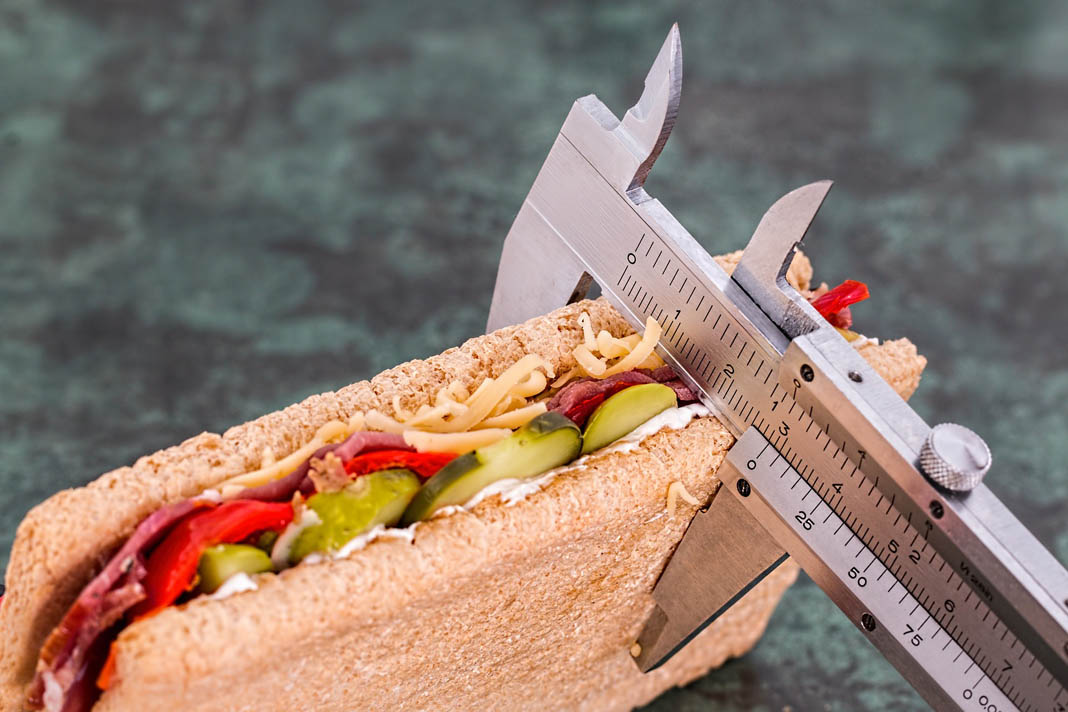
Remember, to lose weight, you still need to take a look at your diet and try to eliminate excess calories, especially those that come from junk. Your goal isn’t difficult; cutting 200-300 calories from your daily diet can be easy if you choose foods that you won’t miss too much.
Think about switching from a can a soda every afternoon to unsweetened iced tea or a flavored sparkling water. But remember, don’t cut something that you look forward to every day (for me, cutting cream in my coffee would be a deal breaker), instead look for little changes you can make that won’t make a big difference in the foods you enjoy.
5. Dirty, old, or smelly workout gear (and re-wearing sweaty clothes too often)
Why it’s a problem: Sweat-soaked clothes left unwashed breed bacteria. That leads to unpleasant odors — and more critically, skin irritation or breakouts (especially if you have sensitive skin). Also, worn-out gear may lose elasticity, fit poorly, or irritate skin.
Better option: Wash workout clothes soon after use. Rotate your gym outfits so sweat-soaked garments aren’t reused. If something starts to smell or lose shape — retire it.
What to Wear Instead — Smart Gym Clothing Guide
- Tops: Moisture-wicking T-shirts, tanks, or workout hoodies made of polyester, nylon, or spandex blends.
- Bottoms: Stretchy leggings, shorts or joggers designed for workouts — flexible enough for squats, lunges, cardio, or yoga.
- Underwear & sports bras (if applicable): Breathable, moisture-managing materials that stay comfortable through sweat and movement.
- Shoes: Dedicated gym/training sneakers with good support and grip.
- Extras: Keep it minimal — no heavy jewellery, and consider carrying a clean towel, spare top, and water bottle.
Final Thoughts: Think Function Over Fashion — Especially in the Gym
Yes, looking good at the gym feels good. But what matters more — especially when you’re there to train — is how well your clothes help your body move, stay cool, and recover. The reality is, sweat, friction, and movement are brutal on fabrics. What works in daily wear rarely works under pressure.
If I were you and posting this on a blog or site, I’d lead with “comfort + performance + hygiene.” That’s what gym wear should always be about.
Gym Clothes: What to Wear — and What to Skip
| ✅ Do This | 🚫 Avoid This |
|---|---|
| Wear moisture-wicking, breathable fabrics (polyester, nylon, blends) — keeps sweat away & helps you stay cool. Turicum Fit+1 | Don’t rely on 100% heavy cotton or denim — absorbs sweat, stays wet, gets heavy and uncomfortable. Turicum Fit+1 |
| Choose clothing that fits well — not too tight to restrict movement, not too loose to get caught or drag. The Gym Group+1 | Avoid overly baggy clothes or extremely tight outfits that restrict movement or get in the way. Turicum Fit+1 |
| Use proper gym shoes — sneakers or training shoes that provide support, grip and stability. | Avoid rings, bracelets, necklaces, dangling earrings or heavy accessories — a hazard for you and others around. |
| Keep accessories minimal — no loose jewelry, avoid bulky wristbands or dangly items that can snag. | Avoid rings, bracelets, necklaces, dangling earrings or heavy accessories — hazard for you and others around. |
| Always wear clean, fresh workout clothes for hygiene and comfort. | Don’t re-use sweaty, unwashed gym gear — it breeds bacteria, causes odour or skin irritation (and can be unpleasant for others). |
Quick “What to Wear” Guide Based on Workout Type
- Strength Training / Weightlifting → Fitted moisture-wicking T-shirt or tank + squat-proof leggings/shorts + stable gym shoes. Gymshark+1
- Cardio / HIIT / Running → Lightweight, breathable clothes (tank or tee + shorts/leggings) + cushioned running shoes. Gymshark+1
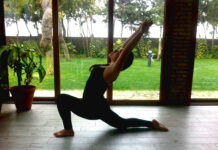
- Yoga / Pilates / Stretching → Soft, stretchy leggings or shorts + a comfortable top with enough movement room + optionally fitted socks or bare feet (if gym permits). Gymshark+1
- Mixed / Functional Training → Versatile moisture-wicking layers, flexible bottoms, and supportive shoes — adaptable to varied movements. Turicum Fit+1
✔️ Gym Etiquette & Hygiene Tips to Remember
- Wash your workout clothes regularly — fresh clothes = better comfort, hygiene & gym etiquette. Turicum Fit+1
- Skip heavy perfumes or strong scents — gyms are shared spaces, and strong smells can bother others.
- Bring a small towel & water bottle to stay clean and hydrated (bonus: helps in humid climates).
- Keep accessories minimal — helps you focus on your workout, avoids accidents, and keeps shared equipment safe.
Wearing the right clothes isn’t about style — it’s about giving your body the best chance to perform well, stay safe, and feel good throughout your workout.
When you choose sweat-friendly fabrics, supportive shoes, and comfortable fits, your workout becomes easier, smoother, and far more enjoyable.
And when you avoid heavy cotton, loose clothing, jewelry, bad footwear, and old gear — you eliminate distractions and boost your overall gym performance.
Good outfits don’t make you stronger, but they make your training environment better. And sometimes, that’s exactly what you need.