






Walking into the gym for the first time can feel overwhelming. Between figuring out which machines to use and remembering your workout routine, the last thing you want to worry about is whether you’re wearing the right clothes. But here’s the thing—what you wear actually matters more than you might think.
I’ve seen countless people struggle through workouts in cotton t-shirts that become drenched in sweat, or wearing jeans (yes, jeans!) because they didn’t know any better. Your gym outfit isn’t about fashion statements or Instagram photos—it’s about performance, comfort, and staying injury-free.
After years of trial and error, both personally and observing what works for others, I’ve narrowed down three fundamental approaches to dressing for gym workouts that actually make a difference. These aren’t just style tips; they’re practical strategies that can genuinely improve your workout experience and help you dress for gym success.
If you’re just starting your fitness journey, check out our guide on how to be a successful bodybuilder that complements proper gym attire.
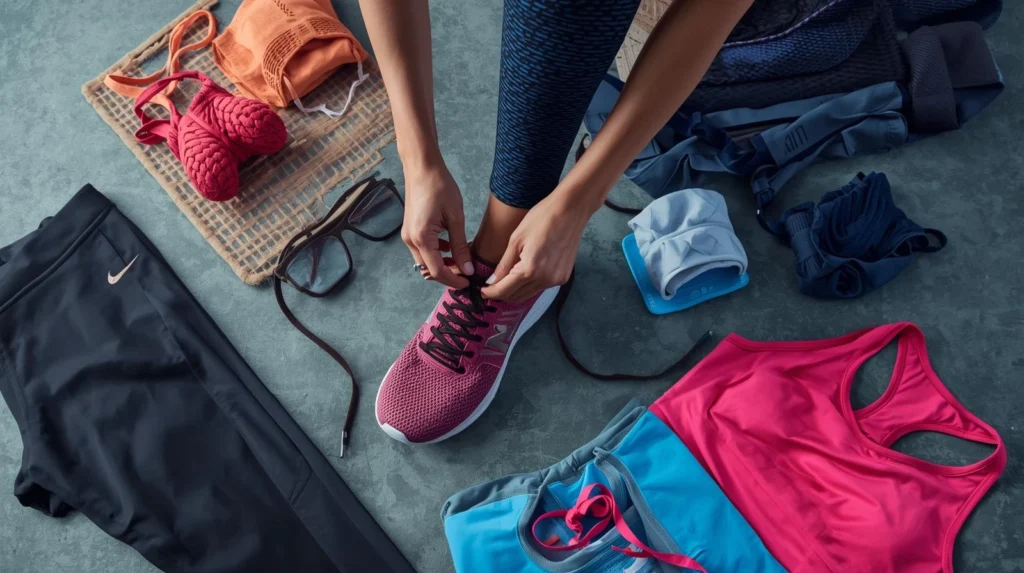
Understanding the Foundation: Why Your Gym Clothes Matter When You Dress for Gym
Before we dive into the specific approaches, let’s talk about why this matters at all. Your workout clothing serves several critical functions beyond just covering your body.
First, the right fabric helps regulate your body temperature. When you exercise, your core temperature rises, and your body sweats to cool down. Wearing materials that wick moisture away from your skin helps this natural cooling process work efficiently. Cotton, despite being comfortable in everyday life, absorbs sweat and holds it against your skin, making you feel clammy and uncomfortable.
Second, proper gym attire reduces your risk of injury. Loose, baggy clothes can catch on equipment or restrict your range of motion during certain exercises. On the flip side, clothes that are too tight can restrict blood flow and limit your movement in different ways.
Third, appropriate gym wear boosts your confidence. When you feel comfortable and properly dressed, you’re more likely to focus on your workout rather than constantly adjusting your clothes or feeling self-conscious.
According to research from the American Council on Exercise, proper workout attire can significantly impact exercise performance and comfort levels.
Approach One: The Performance-First Method
Why This Is the Best Way to Dress for a Gym Workout
When you dress for a gym workout using the performance-first method, you’re prioritizing what actually matters during exercise. This approach ensures that every clothing choice supports your movement, comfort, and performance goals.
This approach prioritizes function above all else. It’s about choosing each piece of clothing based on how it will perform during your specific workout type.
The American College of Sports Medicine recommends choosing sports bras based on impact level and individual support needs.
Building Your Performance Wardrobe
Start with moisture-wicking base layers. These are typically made from synthetic fabrics like polyester, nylon, or specialized blends. Look for materials specifically designed for athletic wear—brands usually market these with terms like “Dri-FIT,” “Climalite,” or similar technology names. The key is that these fabrics pull sweat away from your body to the outer surface of the clothing, where it can evaporate quickly.
“Learning how to dress for a gym workout properly can be the difference between a productive session and a frustrating one.”
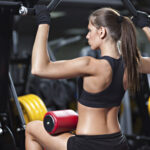
For your upper body, choose fitted but not restrictive tops. For men, this usually means fitted t-shirts or tank tops in technical fabrics. For women, a good sports bra is non-negotiable; it’s the foundation of your gym outfit. Choose one with appropriate support for your workout intensity. Low-impact activities like yoga need less support than running or high-intensity interval training.
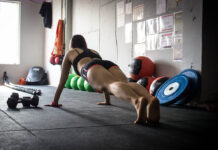
Bottom wear should match your activity. For weightlifting, slightly looser athletic shorts or joggers work well because they allow for deep squats and lunges without restriction. For running or cycling, fitted shorts or leggings prevent chafing and won’t get caught in equipment. Many people swear by compression tights, which some studies suggest may improve blood circulation and reduce muscle fatigue, though the evidence is still mixed.
A study published in the Journal of Strength and Conditioning Research examined the effects of compression garments on athletic performance.
The Technical Details That Matter
Pay attention to seam placement. Flatlock seams lie flat against your skin rather than creating bulky ridges that can cause irritation during repetitive movements. This becomes especially important during long workouts or activities with a lot of repetitive motion.
Look for mesh panels in high-heat zones like your back, underarms, and behind your knees. These ventilation zones help keep air circulating even during intense workouts.
Consider the hem and waistband construction. Waistbands should be elastic but not overly tight, ideally with a drawstring for adjustment. Rolled hems on shorts prevent chafing on your thighs. Small details like these make a surprising difference over the course of a 60-minute workout.
Don’t forget about your feet. The performance-first approach extends to your socks and shoes. Choose athletic socks with arch support and cushioning in key areas. Your shoes should be specific to your primary activity—running shoes for runners, cross-trainers for mixed workouts, and weightlifting shoes if you’re serious about lifting heavy.
For more detailed guidance, read our comprehensive article on 10 Minutes workout to toned abs and legs.
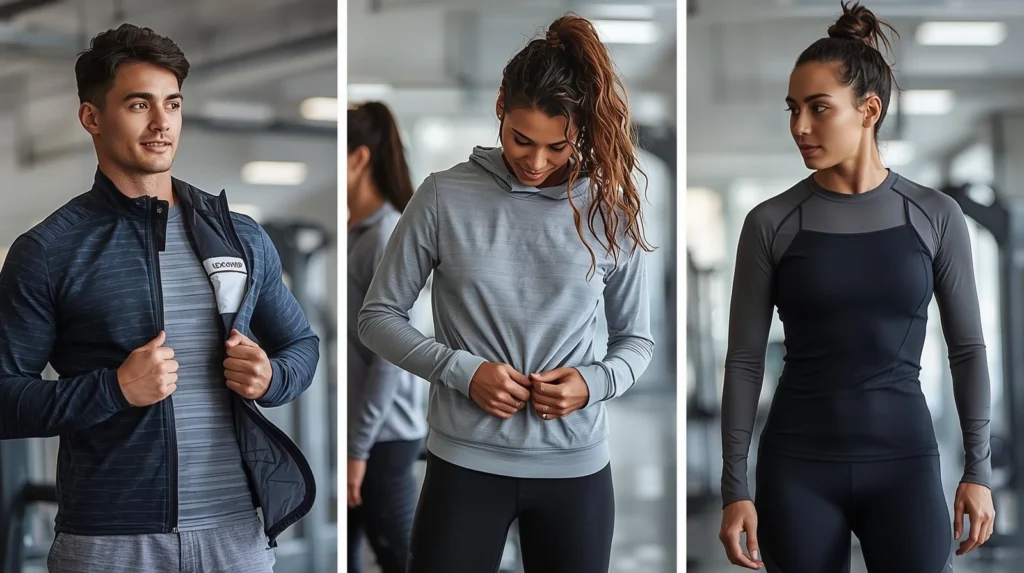
Approach Two: The Layering Strategy
This method is perfect if you work out in varying conditions or do different types of exercises within a single session. It’s also ideal for people who walk or bike to the gym, especially in cooler weather.
Understanding Smart Layering
The concept is simple: dress in layers that you can remove as your body heats up during your workout. But there’s an art to doing this effectively.
Your base layer should always be that moisture-wicking material we discussed earlier. This sits directly against your skin and does the crucial job of moving sweat away from your body.
The mid-layer provides insulation when you need it. This could be a lightweight long-sleeve shirt or a thin hoodie. Choose something that’s easy to remove and tie around your waist without being bulky. Avoid heavy, thick fabrics that will make you overheat once you start moving.
Your outer layer is for transitioning to and from the gym or for warming up. A zip-up jacket or windbreaker works perfectly. The zip is key here—you want something you can quickly remove as you warm up without having to pull it over your head.
Making Layering Work Practically
The biggest challenge with layering is managing your clothes once you start removing them. Here’s where your gym bag becomes important. Bring a small drawstring bag or use a locker if your gym provides them. Don’t be that person who drapes layers all over the equipment.
Think about the order of your workout. If you’re starting with a cardio warm-up, you might strip down to your base layer quickly. If you’re beginning with stretching or lighter movements, you might keep an extra layer on a bit longer.
Consider quarter-zip pullovers as a middle ground. These give you the option to unzip and cool down without fully removing a layer. They’re particularly useful for outdoor workouts or poorly climate-controlled gyms.
For women specifically, layering offers the advantage of modesty options. A loose tank top over a sports bra gives you coverage during stretches or exercises where you’re bending over, but can be easily removed when things heat up.
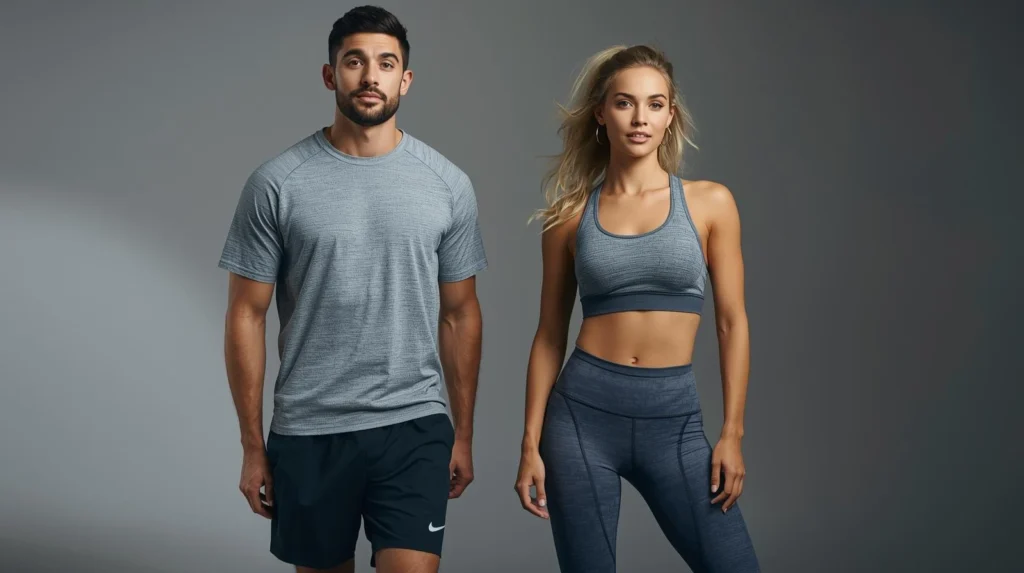
Approach Three: The Activity-Specific System
This is the most sophisticated approach and works best once you’ve established a consistent workout routine. Instead of having generic gym clothes, you build specific outfits for specific activities.
Designing Your Activity-Specific Wardrobe
For weight training, you want clothes that show your form. This doesn’t mean everything needs to be skin-tight, but you should be able to see your body’s alignment in the mirror. Fitted t-shirts and shorts or joggers work well. Some people prefer sleeveless tops to keep their arms free and visible for checking form during shoulder and arm exercises.
For running, especially outdoors, reflective elements become important for safety. Choose fitted bottoms to prevent chafing, and tops with pockets for your phone and keys. In colder weather, thermal tights and long-sleeve moisture-wicking tops are essential. In hot weather, as little as comfortable and safe, but always moisture-wicking.
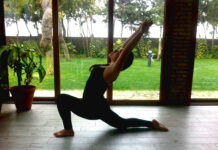
For yoga and Pilates, you need flexibility above all else. High-waisted leggings prevent any awkward moments during inversions and forward folds. Fitted tops that won’t slide up during downward dog are essential. Many yoga practitioners prefer seamless clothing to minimize distractions during floor work.
For cycling, whether indoor or outdoor, padded shorts make a world of difference for longer rides. The padding reduces friction and provides cushioning during an activity where you’re sitting the entire time. For indoor cycling classes, moisture-wicking is even more critical because you’re typically in a hot room without natural air flow.
For swimming, obviously, you need swimwear, but consider a technical suit rather than fashion swimwear. Look for chlorine-resistant fabrics if you’ll be swimming in pools regularly. A swim cap protects your hair, and goggles protect your eyes—both are essential, not optional.
Building Efficiency Into Your System
The activity-specific approach might sound expensive or complicated, but it can actually simplify your life. Keep complete outfits together—sports bra, leggings, and top for yoga all in one place. Running outfit with socks and reflective gear ready to go. This eliminates decision fatigue and ensures you always have what you need.
Create a rotation system. Most people need about three to four complete outfits for their primary activity to maintain hygiene between washes without running out of clean clothes. Mark these mentally as your “Monday,” “Wednesday,” “Friday” outfits or whatever schedule works for you.
Invest where it matters most. If you run five days a week but only do yoga once, spend more on quality running gear. Your most frequent activity deserves your best-performing clothes.
The Universal Essentials Everyone Needs
Regardless of which approach resonates with you, certain elements are universal to good gym attire.
Proper footwear cannot be compromised. Worn-out shoes with collapsed support can lead to injuries. Replace your primary workout shoes every 300-500 miles for running, or every 6-12 months for general training, depending on frequency.
Quality sports bras for women are worth every penny. Cheap sports bras lose their elasticity quickly and fail to provide adequate support. Consider this a health investment, not a clothing expense.
Moisture-wicking socks prevent blisters and keep your feet comfortable. Cotton socks, like cotton shirts, hold moisture and create friction against your skin.
A good gym bag keeps everything organized. Look for one with separate compartments for shoes, wet clothes, and clean items. A small mesh bag for laundry within your larger bag helps contain odors.
Common Mistakes to Avoid
One of the biggest mistakes people make when they dress for a gym workout is prioritizing style over function. While looking good matters to many people, your primary consideration should always be how your clothes perform during exercise
Don’t work out in regular underwear beneath your gym clothes. Invest in moisture-wicking underwear designed for athletic activity. Regular underwear becomes uncomfortable quickly when wet and increases your risk of chafing and infections.
Avoid brand-new clothes for important workouts or classes. Always test new gym wear during a regular session first. The last thing you want is to discover those new shorts ride up or those leggings are see-through during an important moment.
Don’t ignore the weather if you’re exercising outdoors. Dress for 15-20 degrees warmer than the actual temperature because your body will heat up quickly. In very cold weather, protect your extremities with gloves and a hat.
Skip the jewelry. Rings, bracelets, and necklaces can catch on equipment, cause injuries, or simply get in the way. If you can’t remove your wedding ring, consider a silicone band for workouts.
Creating Your Personal System
The best gym outfit strategy is the one you’ll actually use consistently. Start by honestly assessing your workout habits. Do you do the same type of workout every day, or do you mix it up? Do you work out at the same gym with consistent temperature, or at various locations? Are you working out indoors or outdoors?
The best way to dress for a gym workout is to create a personal system that you’ll actually use consistently.”
Begin with basics that work across multiple activities—a few moisture-wicking tops and bottoms in neutral colors. As you develop your routine, invest in activity-specific pieces that enhance your particular workouts.
Pay attention to what works and what doesn’t. If you constantly adjust your waistband during squats, those pants aren’t right. If your shirt rides up during overhead movements, size down or choose a different style. Your gym clothes should fade into the background during your workout, not constantly demand attention.
The Bottom Line
When you dress for a gym workout with intention and strategy, you set yourself up for success before you even start exercising.
Dressing properly for the gym isn’t about following fashion trends or spending a fortune on branded athletic wear. It’s about understanding how clothing affects your performance, comfort, and safety during exercise.
The performance-first approach ensures every piece of clothing serves a functional purpose. The layering strategy gives you flexibility for changing conditions and workout types. The activity-specific system optimizes your outfit for your particular exercise focus.
Choose the approach that fits your workout style, budget, and practical needs. Start simple, pay attention to what makes your workouts better, and build from there. The goal is to create a system where getting dressed for the gym becomes effortless and your clothes enhance rather than hinder your fitness journey.
Remember, the best gym outfit is the one that lets you forget you’re wearing it and focus entirely on becoming stronger, faster, or healthier. Everything else is just details.